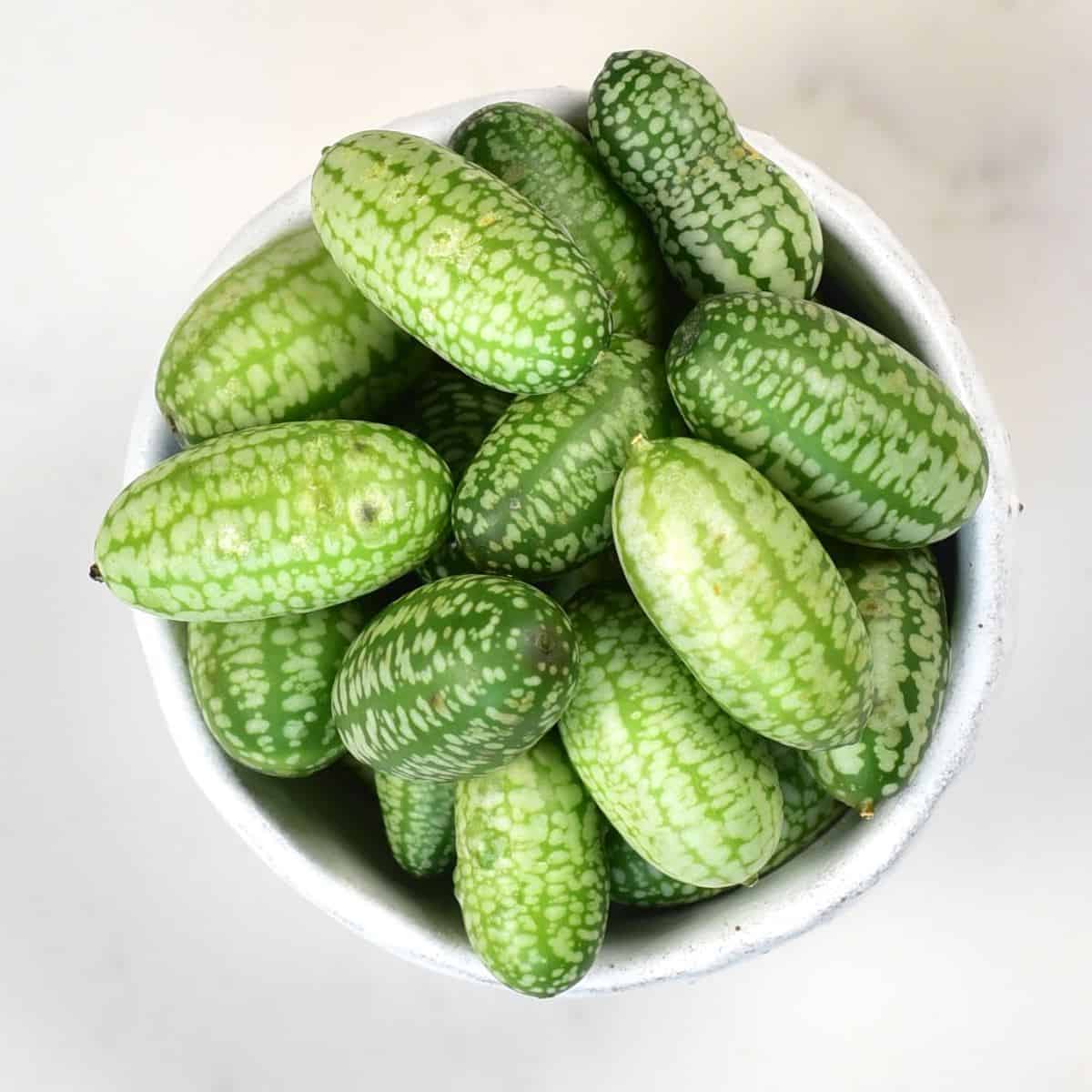
Unveiling the Cucamelon: Your Guide to the Mini Watermelon Imposter
Scrolling through social media, you might have paused on an image of what looks like the most adorable miniature watermelon you've ever seen. These tiny, striped wonders, often mistaken for berries, have captivated gardeners and food enthusiasts alike. Allow us to present the cucamelon – a delightful and often surprising fruit that is quickly becoming a culinary darling. This article serves as a quick guide to cucamelon berries, delving into their unique identity, distinctive flavor, and versatile uses that make them far more than just a pretty face.
Far from being a conventional berry, the cucamelon, scientifically known as Melothria scabra, is a fascinating member of the cucumber family. Despite its whimsical, grape-sized appearance reminiscent of a tiny watermelon, its internal characteristics and taste profile tell a different story. Originating from Mexico, this natural, non-GMO fruit boasts a refreshing tang that promises to awaken your palate. If you've been curious about these charming "mouse melons" or "Mexican sour gherkins," you've come to the right place.
What Exactly is a Cucamelon? Debunking the Mini Watermelon Myth
The first thing to understand about the cucamelon is that appearances can be delightfully deceptive. While its exterior undeniably mimics a micro watermelon, complete with vibrant green skin and subtle darker stripes, it's crucial to clarify its true botanical identity. Despite popular belief and its common nickname, the cucamelon is not a miniature watermelon, nor is it technically a berry. It belongs to the cucumber family (Cucurbitaceae), a distinct species called Melothria scabra.
Known by a variety of charming aliases, this small fruit has garnered names such as "mouse melon" (or Sandia de ratón in Spanish), "little watermelon" (sandita), "Mexican sour gherkin," and "Mexican sour cucumber." These names hint at both its visual appeal and its unique flavor profile, which we'll explore shortly. Hailing from the sun-drenched landscapes of Mexico, cucamelons are a testament to nature's inventiveness, offering a refreshing and tangy experience packed into a fruit no larger than a grape.
Beyond its classification, the cucamelon's natural resilience is another point of fascination. Unlike many cultivated fruits susceptible to pests, cucamelon plants are often overlooked by common garden invaders. They thrive in a range of conditions, demonstrating impressive tolerance to drought, hot weather, and even cooler climates, provided they receive ample sunshine. This adaptability makes them a remarkably easy and rewarding crop for home gardeners, offering a generous yield in just a few months without demanding excessive space.
The Unique Flavor Profile: More Than Just a Pretty Face
If its adorable appearance is what first catches your eye, its distinctive flavor is what will truly win you over. The cucamelon offers a taste experience unlike any other, striking a delightful balance between crisp freshness and a subtle tang. Many describe the flavor – and we heartily agree – as reminiscent of cucumber that has been delicately soaked in lime juice. This unique combination makes for an incredibly refreshing bite that is both familiar and exotic.
While often dubbed "Mexican sour gherkin" or "Mexican sour cucumber," the "sour" element is not overwhelming. Instead, it's a pleasant, bright acidity that elevates the overall taste without making you pucker. Imagine the clean, verdant notes of a fresh cucumber, immediately followed by a zesty, citrusy kick, much like a mild lime. This crisp and slightly sour character makes cucamelons exceptionally versatile, capable of enhancing a wide array of dishes or simply being enjoyed on their own.
Why the Tang? Exploring the "Sour Gherkin" Link
The "sour" aspect of the cucamelon's flavor profile is intrinsically linked to its versatility, particularly its suitability for pickling. This natural tartness, combined with its crisp texture, allows it to absorb pickling brines beautifully, transforming into a vibrant, tangy snack similar to a traditional gherkin but with its own distinct charm. This inherent tang also makes it a fantastic addition to fresh salads, salsas, and even beverages, where its refreshing burst of flavor can cut through richness or add a lively zest.
Growing, Sourcing, and Storing Your Cucamelon Delights
Part of the cucamelon's charm lies in its accessibility and low-maintenance nature, whether you're growing it yourself or seeking it out from local vendors. Understanding how to find and care for these miniature marvels is key to enjoying their full potential.
Growing Cucamelons at Home
For those with a green thumb, growing cucamelons is an incredibly rewarding endeavor. These plants are remarkably unfussy, making them perfect for both novice and experienced gardeners. As mentioned, their natural resistance to common pests and their ability to thrive in various climates (from hot and dry to cooler, sunny conditions) set them apart. They typically mature in just a few months, and being vining plants, they benefit greatly from support like a trellis or cage, which helps maximize space and makes harvesting easier. Harvesting your own fresh cucamelons is a truly satisfying experience. For a deep dive into cultivating these tiny treasures, don't miss our comprehensive guide: Cucamelon 101: Grow, Find, Store, and Use This Tiny Tangy Fruit.
Finding Cucamelons in the Market
While cucamelons might not yet grace the aisles of every mainstream supermarket, their popularity is steadily growing. Your best bet for sourcing fresh cucamelons is often at local farmers' markets, where artisanal growers frequently showcase unique produce. Independent grocery stores and specialty food shops are also good places to check. If fresh fruits are elusive, consider purchasing seeds or even grow-your-own kits online or from garden centers. This allows you to cultivate your own continuous supply of these delightful, grape-sized gems.
Optimal Storage for Freshness
Once you've acquired your cucamelons, proper storage ensures they retain their crisp texture and refreshing flavor. Much like their larger cucumber cousins, cucamelons store exceptionally well in the refrigerator. Simply place them in a crisper drawer, where they can remain fresh for several weeks. Interestingly, they also tolerate storage at room temperature for a considerable period. You'll know your cucamelons are past their prime when their skin begins to shrivel and they lose their characteristic crunch. However, even at this stage, they're not entirely useless; their concentrated flavor can still be harnessed for infusing water or spirits, adding a subtle tang without needing a perfect texture.
Unlocking Culinary Potential: Delicious Ways to Enjoy Cucamelon Berries
The versatility of the cucamelon in the kitchen is truly impressive, making it a fantastic ingredient for culinary experimentation. Its crisp texture and cucumber-lime flavor profile allow it to shine in both savory and sweet applications. Here are some of our top suggestions and creative ways to incorporate these tiny powerhouses into your meals and drinks:
- Snacking Straight Up: If you appreciate their refreshing, slightly sour kick, simply pop them as a healthy, hydrating snack. They're perfect for satisfying a midday craving.
- Pickled Perfection: Given their "gherkin" moniker, pickling cucamelons whole is a natural fit. Follow a standard quick pickle recipe, and you'll have a delightful, tangy condiment that adds a gourmet touch to sandwiches or charcuterie boards.
- Salad Enhancer: Their crispness and vibrant flavor make them a wonderful addition to any salad. Slice them in half or leave them whole to add a refreshing burst alongside greens, other vegetables, and proteins. Imagine them complementing a vibrant Spinach Strawberry Salad, providing a surprising counterpoint.
- Salsa with a Twist: Finely chop cucamelons and incorporate them into your favorite salsas. They add a fresh, tangy crunch that elevates the flavor, working exceptionally well in fruit-based salsas like a Quick & Simple Watermelon Salsa.
- Cocktail Garnish & Infusion: Elevate your beverages by using cucamelons as a sophisticated garnish. They can replace olives in a martini for a fresh twist or add a decorative touch to drinks like a Colour-Changing Magic Lemonade. Their flavor can also infuse spirits for unique cocktails.
- Flavorful Infused Water: Slice them into pitchers of water alongside mint, lemon, or other fruits for a subtly flavored, detoxifying drink. Even slightly shriveled cucamelons can contribute their essence beautifully here.
- Crudités Platter Star: Arrange whole cucamelons on a crudités platter alongside an assortment of dips like various Hummus or Muhammara Dip. Their unique appearance and refreshing crunch will make them a talking point.
For more innovative ideas and detailed recipes to truly make the most of your cucamelon harvest, be sure to explore our dedicated article: Taste the Tang: Creative Ways to Enjoy Refreshing Cucamelon Berries.
Conclusion
The cucamelon, with its captivating mini-watermelon facade and distinct cucumber-lime flavor, truly is a culinary gem worthy of exploration. Far from being just a passing food trend, these resilient, natural fruits offer a unique blend of refreshment and tang that can transform an ordinary dish into an extraordinary experience. Whether you're a seasoned gardener looking for an easy, rewarding crop, or a curious food enthusiast eager to expand your palate, a quick guide to cucamelon berries reveals their immense potential. So, next time you spot these adorable mouse melons, don't hesitate to give them a try – you might just discover your new favorite refreshing bite!
