Taste the Tang: A Quick Guide to Cucamelon Berries and Creative Culinary Delights
Have you scrolled through your social feeds lately and stopped at the sight of adorable, miniature watermelon-like berries? Chances are, you’ve encountered the captivating cucamelon, a tiny fruit making a big splash in kitchens and gardens alike. Often described as a refreshing burst of cucumber with a zesty lime kick, these delightful "berries" are far more than just a pretty face. If you're curious about what these charming morsels are, how they taste, and, most importantly, how to integrate their unique tangy flavor into your culinary repertoire, then you've come to the right place. Consider this your quick guide to cucamelon berries, unlocking a world of fresh, exciting possibilities.
Unveiling the Mystery: What Exactly Are Cucamelon Berries?
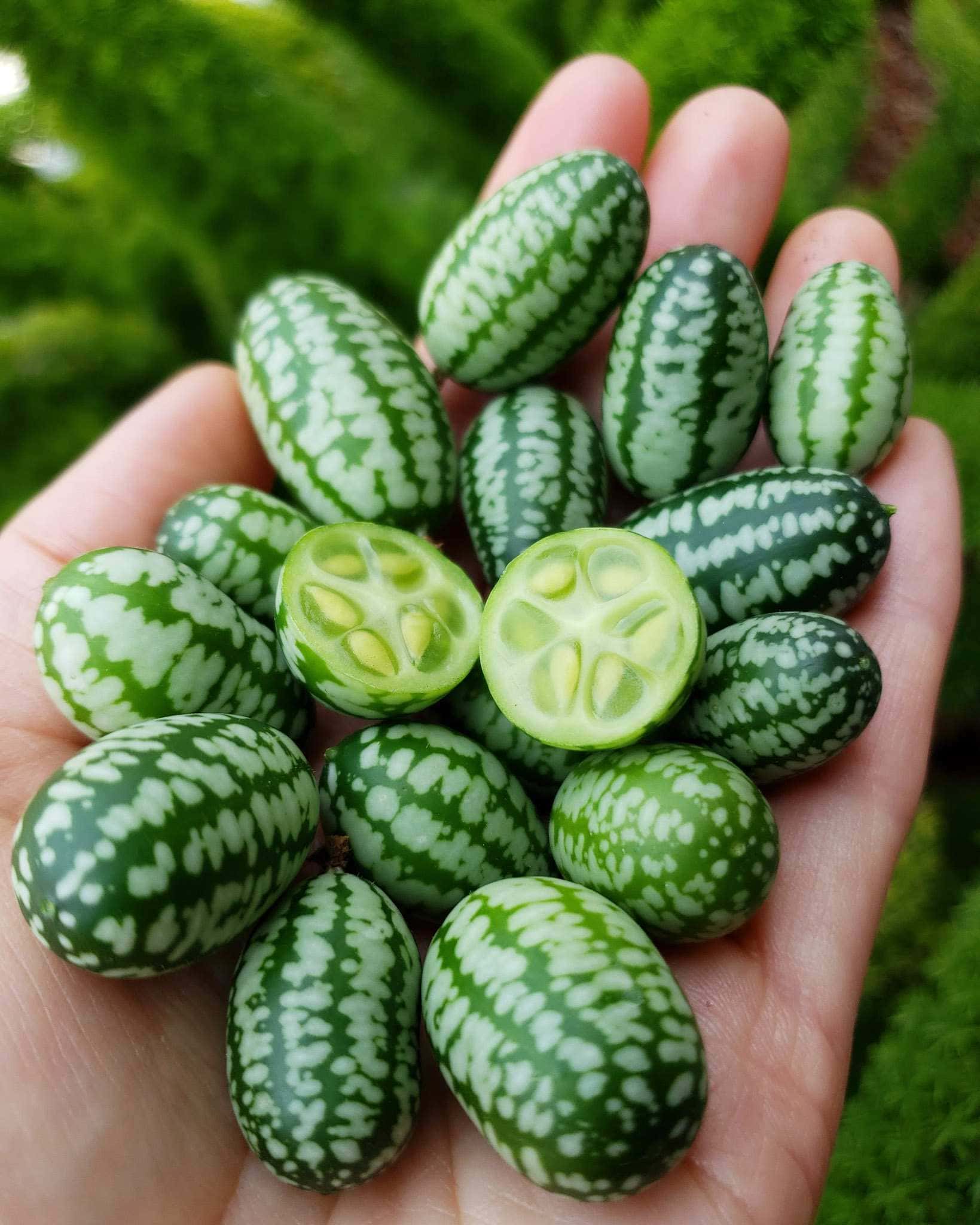
The cucamelon, scientifically known as Melothria scabra, is a fascinating little fruit that has captured the hearts of foodies worldwide. Originating from Mexico, this natural, non-GMO produce is about the size of a grape, but its appearance playfully mimics a miniature watermelon on the outside, complete with charming striped skin. Inside, however, you'll find a texture and seed structure more akin to a cucumber. This intriguing duality has earned it a host of endearing nicknames, including:
- Mouse Melon (Sandia de ratón)
- Little Watermelon (Sandita)
- Mexican Sour Gherkin
- Mexican Sour Cucumber
Despite the "watermelon" and "cucumber" monikers, it's important to clarify that cucamelons are neither. They are, in fact, a distinct species within the larger cucumber and gourd family. Their unique identity is part of what makes them so special.
The Tangy Truth: Exploring the Cucamelon Flavor Profile
The flavor of a cucamelon is arguably its most distinctive feature, a delightful surprise for anyone tasting them for the first time. The general consensus, and one we heartily agree with, describes them as tasting like a cucumber that has been delightfully soaked in lime juice. They offer an immediate burst of crisp, refreshing coolness, quickly followed by a pleasant, gentle tang. While their "sour gherkin" or "sour cucumber" names might suggest an overwhelming acidity, most find the sourness to be mild and balanced, contributing to their invigorating quality rather than dominating it.
This inherent tanginess is precisely what makes cucamelons so versatile in the kitchen, offering a refreshing counterpoint to richer flavors and a delightful pop in lighter dishes. Their crisp texture further enhances the eating experience, providing a satisfying snap with every bite.
Sourcing and Storing Your Cucamelon Bounty
Part of the cucamelon's allure is its somewhat elusive nature in mainstream grocery stores. While they might not be readily available on every supermarket shelf, their rising popularity means they're becoming easier to find, especially if you know where to look.
Where to Find These Tiny Treasures
- Farmers' Markets: This is often your best bet for fresh, locally grown cucamelons, especially during peak season. Talk to the growers; they're usually passionate about their produce!
- Independent & Specialty Stores: Keep an eye out in smaller, health-focused, or international grocery stores, which are more likely to stock unique and seasonal items.
- Grow Your Own: Perhaps the most rewarding option is to grow your own cucamelon plants. These resilient plants are surprisingly easy to cultivate, thriving in various climates with ample sunshine and often ignoring common garden pests. From seed to harvest typically takes just a few months, and they don't demand much space, making them perfect for container gardening. Homegrown cucamelons ensure a consistent supply of fresh, organic berries right at your fingertips.
Keeping Cucamelons Fresh: Storage Tips
Once you have your hands on a batch of cucamelons, proper storage will ensure they retain their refreshing crunch and flavor. We recommend treating them much like you would a standard cucumber:
- Refrigeration: For optimal crispness and longevity, store cucamelons in the crisper drawer of your refrigerator. They can last for a week or more this way.
- Room Temperature: While refrigeration is preferred, cucamelons can also be kept at room temperature for a shorter period, usually a few days, especially if you plan to use them quickly.
Knowing When They're Past Their Prime: You'll easily notice when cucamelons are past their peak freshness. They will start to shrivel and lose their characteristic firm crunch. Don't toss them just yet, though! Even softened cucamelons can still impart their flavor to water or alcoholic beverages, offering a subtle tang without the need for their original texture. This is a great way to minimize food waste and still enjoy their essence.
Creative Culinary Adventures with Cucamelon Berries
Now for the fun part: how to truly savor and showcase the unique taste and texture of cucamelons! Their refreshing tang and satisfying crunch make them incredibly versatile, elevating everything from simple snacks to sophisticated drinks. Here's a quick guide to cucamelon berries and how to get creative:
1. Simple Snacking & Elevated Platters
Sometimes, the best way to enjoy a fruit is in its purest form. If you appreciate their slightly sour flavor, eating cucamelons as-is makes for a wonderfully refreshing and healthy snack. Their small size makes them perfect for popping directly into your mouth.
For entertaining, cucamelons are a visual delight. Serve them as part of a vibrant crudités platter alongside an array of dips like Hummus 6 Ways or Muhammara Dip. Their miniature watermelon appearance is sure to spark conversation and add a gourmet touch. They also pair surprisingly well with mild cheeses or thinly sliced cured meats, offering a piquant contrast.
2. Salads & Salsas: A Burst of Freshness
Cucamelons truly shine when incorporated into fresh, vibrant dishes. Their crisp texture and tangy flavor add both textural interest and a delightful zing.
- In Salads: Chop them up or slice them whole into a wide variety of salads. They're particularly wonderful in green salads like a Spinach Strawberry Salad, fruit salads (where their tang can balance sweetness), grain salads, or even pasta salads. They provide a beautiful visual element and a refreshing counterpoint to other ingredients.
- Within Salsas: Replace traditional cucumber or even tomatoes in a salsa recipe for an unexpected twist. Imagine them in a Quick & Simple Watermelon Salsa, adding an extra layer of crunch and zest that pairs beautifully with grilled fish, chicken, or as a topping for tacos.
3. Pickling Perfection: Gourmet Gherkins
Given their "Mexican sour gherkin" moniker, it's no surprise that cucamelons are absolutely fantastic when pickled. Their small size and firm flesh make them ideal for preserving, transforming them into a gourmet alternative to traditional gherkins.
- Pickled Whole: Follow a standard pickle recipe, treating them as you would mini cucumbers. The pickling process enhances their tang and makes them an incredible addition to cheese boards, sandwiches, or as a vibrant side to rich dishes. Consider experimenting with different pickling spices like dill, mustard seeds, garlic, or a hint of chili for varied flavor profiles.
4. Beverage Boosters: From Hydration to Happy Hour
Cucamelons aren't just for eating; they can also elevate your drinks!
- Flavored Water: Slice them into your water for a subtle, refreshing infusion. Pair them with mint, lemon, or other fruits for a custom Flavored Water Recipe that encourages hydration.
- Cocktails & Mocktails: Their aesthetic appeal and tangy flavor make them perfect for mixology.
- Garnish: Replace olives in a martini or use them as a unique garnish for G&Ts, vodka sodas, or any clear spirit cocktail. Their miniature watermelon look adds a whimsical touch.
- Muddled: Muddle a few cucamelons in the bottom of a glass before adding your spirits and mixers for a subtle, refreshing tartness. They work wonderfully in gin-based drinks, margaritas, or even a Simple Colour-Changing Magic Lemonade.
5. Beyond the Obvious: Unexpected Uses
Don't limit your imagination! Cucamelons can also be used in more unconventional ways:
- Garnish for Cold Soups: Sprinkle finely diced cucamelons over gazpacho or other chilled soups for a textural crunch and bright flavor.
- In Sandwiches & Wraps: Add thin slices or whole cucamelons for an extra layer of crunch and tang that complements various fillings.
- Quick Stir-fries: Toss them in at the very end of a stir-fry to retain their crispness and add a refreshing contrast to savory flavors.
- Infused Vinegars or Oils: For a unique culinary gift or pantry staple, infuse white wine vinegar or a light oil with cucamelons and herbs.
Health Benefits: Why Cucamelons Deserve a Spot on Your Plate
Beyond their delightful taste and versatility, cucamelon berries also offer a nutritional boost. As a member of the cucumber family and a fresh fruit, they inherently bring several health benefits to the table:
- Hydration: Like cucumbers, cucamelons have a high water content, making them excellent for staying hydrated, especially during hot weather.
- Vitamins & Minerals: While specific nutrient profiles can vary, as fresh produce, they generally contribute vitamins (such as C and K) and essential minerals to your diet.
- Antioxidants: Many fruits and vegetables contain antioxidants, which help combat free radicals in the body and support overall health.
- Low Calorie & Fiber-Rich: Cucamelons are naturally low in calories and can be a good source of dietary fiber, aiding digestion and promoting satiety.
- Natural & Non-GMO: For those who prioritize whole, natural foods, the non-GMO status of cucamelons makes them an attractive and wholesome choice.
Incorporating cucamelons into your diet is a simple yet effective way to add variety, freshness, and valuable nutrients, contributing to a balanced and healthy lifestyle.
Embrace the Tang: Your Cucamelon Journey Awaits
From their charming mini-watermelon exterior to their invigorating cucumber-lime flavor, cucamelon berries are a truly special ingredient. Whether you're a seasoned gardener looking for a unique crop, a culinary explorer seeking new tastes, or simply someone searching for a refreshing snack, these tiny treasures offer a world of possibilities. We hope this quick guide to cucamelon berries has inspired you to seek them out, grow them, and most importantly, experiment with their delightful tang in your kitchen. Don't be shy; let the refreshing crunch and zesty flavor of cucamelons elevate your everyday meals and impress your guests. Your palate will thank you for this delicious discovery!
