Cucamelon 101: Your Comprehensive Guide to the Tiny Tangy Fruit
Have you ever stumbled upon an adorable, miniature fruit that looks like a Lilliputian watermelon but promises a burst of cucumber and lime flavor? You've likely encountered the fascinating cucamelon! These delightful "berries" have taken social media by storm, captivating foodies and gardeners alike with their unique charm and refreshing taste. In this comprehensive guide, we’ll dive deep into everything you need to know about this tiny tangy fruit, from understanding its origins to growing it in your backyard, finding it in stores, storing it effectively, and unleashing its culinary potential. Consider this your quick guide to cucamelon berries, a must-have for any adventurous palate.What Exactly *Are* Cucamelons? Unveiling the Mini-Melon Imposter
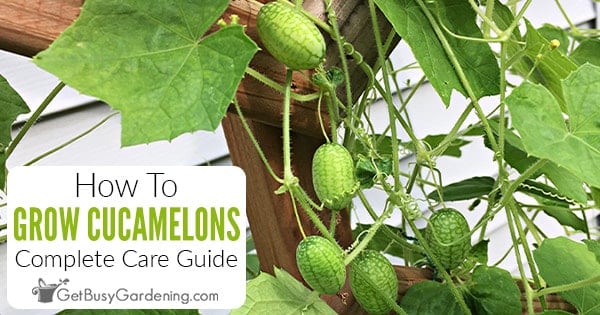
Often affectionately called "mouse melon" (Sandia de ratón), "little watermelon" (sandita), Mexican sour gherkin, or Mexican sour cucumber, the cucamelon (scientifically known as Melothria scabra) is a true marvel of nature. Native to Mexico and Central America, this small, natural (non-GMO) fruit is roughly the size of a grape, making it incredibly appealing. Its exterior strikingly resembles a miniature watermelon, complete with dappled green stripes, while its interior boasts the crisp, pale green flesh akin to a cucumber. Despite its appearance, the cucamelon is neither a true watermelon nor a typical cucumber. It belongs to the cucumber family (Cucurbitaceae) but is a distinct species entirely. This unique botanical position gives it a flavor profile all its own, blending the familiar freshness of cucumber with a delightful, zesty tang reminiscent of lime. For a deeper dive into its fascinating identity, be sure to check out Unveiling the Cucamelon: Your Guide to the Mini Watermelon Imposter.Growing Your Own: A Gardener's Dream Come True
One of the most appealing aspects of cucamelon berries is how incredibly easy they are to grow, even for novice gardeners. These resilient plants are far from fussy and offer a bountiful harvest with minimal effort.Why Cucamelons Are Gardener-Friendly:
- Pest Resistant: Unlike many garden vegetables, cucamelon plants are often ignored by common garden pests, reducing the need for chemical intervention and making organic gardening a breeze.
- Drought and Heat Tolerant: Originating from drier regions, they thrive in hot weather and can tolerate periods of drought once established, making them suitable for various climates.
- Adaptable to Cooler Climates: While they love sunshine, they also perform well in cooler temperate zones, as long as they receive ample sunlight.
- Space-Efficient: As vining plants, cucamelons are perfect for small gardens, patios, or balconies when grown vertically on a trellis or support. This maximizes space and keeps the fruits clean.
- Quick Growth Cycle: From seed to harvest, cucamelons typically take just a few months, offering a satisfyingly swift reward for your gardening efforts.
Tips for a Successful Cucamelon Harvest:
To ensure a flourishing crop, start seeds indoors 3-4 weeks before the last frost date, or sow directly outdoors once all danger of frost has passed. Plant them in well-draining soil in a location that receives at least 6-8 hours of direct sunlight daily. Provide a trellis, fence, or stakes for the vines to climb, as this will prevent the fruit from rotting on the ground and encourage better air circulation. Consistent watering is beneficial, especially during dry spells, but avoid overwatering. You'll begin harvesting the grape-sized fruits when they are firm and green, typically a few months after planting.
The Distinctive Flavor Profile: A Tangy Twist
What truly sets cucamelons apart is their utterly unique and refreshing flavor. Many describe them as tasting like a cucumber that has been marinated in lime juice, a description we wholeheartedly agree with. This moniker of "Mexican sour cucumber" hints at their tangy nature, but don't let the word "sour" deter you – it's a pleasant, bright sourness that balances beautifully with their crisp freshness. When you bite into a cucamelon, you're greeted with a satisfying crunch, followed by a juicy burst of flavor. The initial taste is undeniably cucumber-like, but it quickly gives way to a vibrant, citrusy tang that lingers on the palate. We find them incredibly invigorating, perfect for cutting through richer flavors or simply enjoyed on their own. The flavor is crisp, clean, and never overpowering, making them an incredibly versatile ingredient in the kitchen.Finding and Storing Your Cucamelon Harvest
While cucamelons are gaining popularity, they aren't yet a staple in every mainstream supermarket. However, with a little searching, you can often find these elusive gems.Where to Find Cucamelons:
- Farmers' Markets: Your best bet for fresh cucamelon berries is often local farmers' markets, particularly during late summer and early fall. Speak to growers – they often love sharing their unique produce.
- Independent Grocers & Specialty Stores: Some upscale or internationally-focused independent grocery stores might carry them, especially if they champion local or unusual produce.
- Asian/Mexican Markets: Given their heritage, some specialty markets focusing on produce from these regions might occasionally stock them.
- Grow Your Own: By far the most reliable method! Seeds and even starter plants or grow-your-own kits are widely available online and at garden centers, allowing you to enjoy a steady supply.
Optimal Storage for Freshness:
Once you've acquired your cucamelons, proper storage is key to maintaining their delightful crunch and flavor. We prefer to store them in the refrigerator, much like you would regular cucumbers, perhaps in a crisper drawer. This keeps them cool and firm. However, they can also be stored at room temperature for a decent period, especially if you plan to use them within a few days.
You'll know when your cucamelon berries are past their prime as they'll begin to shrivel and lose their characteristic crispness. Don't despair if this happens! Even when slightly shriveled, their flavor remains intact, making them perfect for infusing water or alcoholic beverages, adding a subtle tang without the need for their original firm texture. For best results, avoid washing them until just before use, as excess moisture can accelerate spoilage.
Unleashing Culinary Creativity: Ways to Enjoy Cucamelons
The refreshing, tangy flavor and delightful crunch of cucamelons make them incredibly versatile in the kitchen. From simple snacks to sophisticated garnishes, there are countless ways to incorporate these tiny treasures into your meals. For even more inspiration, explore Taste the Tang: Creative Ways to Enjoy Refreshing Cucamelon Berries.Our Top Picks and Suggestions:
- Simply Snacked: If you appreciate their crisp texture and slightly sour kick, cucamelons are fantastic eaten straight off the vine or chilled as a healthy, refreshing snack.
- Pickled Whole: Their small size and firm flesh make them ideal for pickling. Use a standard quick pickle recipe, and you'll have delightful, tangy treats perfect for charcuterie boards or sandwiches.
- Elevate Salads: Their refreshing quality and satisfying crunch are a wonderful addition to almost any salad. Think beyond greens – they pair beautifully with spinach and strawberry salads, grain bowls, or even a light pasta salad, adding a burst of flavor and texture.
- Salsas with a Twist: Replace some of the traditional tomatoes in your favorite salsa recipe with chopped cucamelons for an unexpected tang. They work wonders in fruit-based salsas, like a quick watermelon or mango salsa, bringing a zesty counterpoint.
- Cocktail and Drink Garnishes: Their miniature watermelon appearance makes them an irresistible garnish. Use them in place of olives in a martini, or to adorn gin and tonics, margaritas, or even a simple glass of sparkling water. Their subtle flavor infusion is also a bonus!
- Flavored Water & Infusions: Add sliced or whole cucamelons to your water pitcher with other fruits and herbs like mint or basil for a naturally refreshing and flavorful drink. They also make excellent additions to homemade fruit vinegars.
- Crudités and Platters: Their visual appeal and ease of eating make them a perfect component for a crudités platter alongside various dips like hummus or muhammara. They add a sophisticated, vibrant touch.
- Ceviche & Gazpacho: Finely diced cucamelons can add a delightful crunch and tang to fresh seafood ceviche or a chilled gazpacho, brightening the flavors without overwhelming them.
